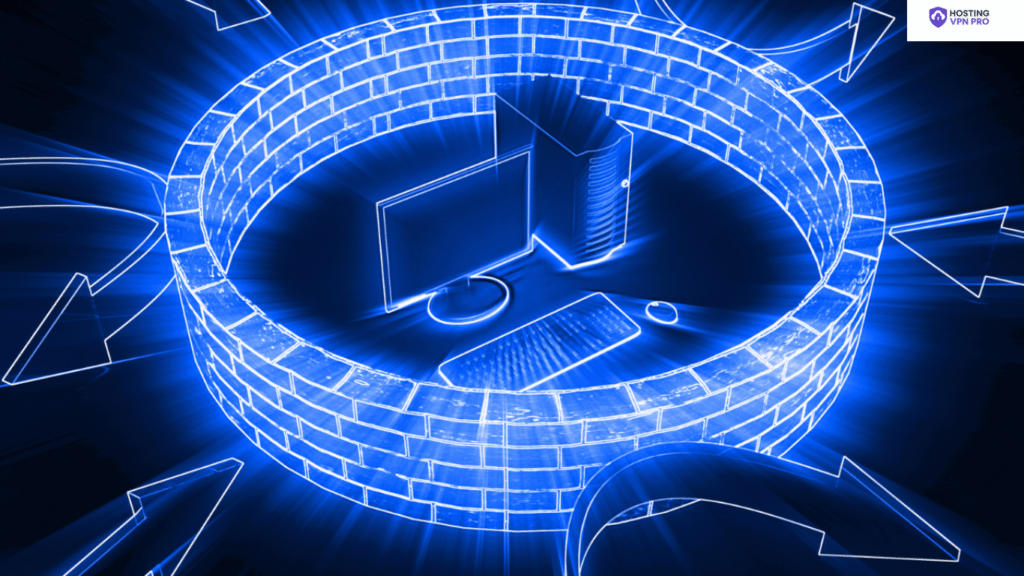

In today’s digitally connected world, protecting your device from undesired access and cyber crime threats is as important as putting a lock on your home door. Every email,download or connections might be a doorway for fraudsters. This is where network firewall security comes to rescue. There are many types of firewalls in computers which protect your system.
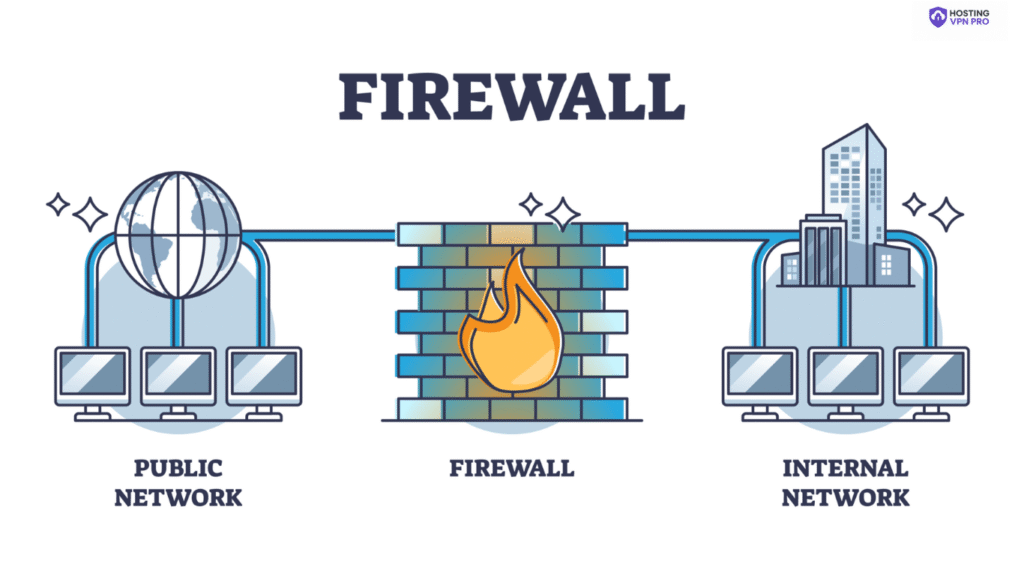
A firewall acts as a shield between your private internet network in an untrusted external world of the internet. It acts as a gateway which decides which data packets can enter or leave your internet, securing your personal information from cybercriminals.
Table of Contents
The Concept of a Firewall in Computer Networks
A firewall is a security device that checks incoming and outgoing network traffic.It follows a certain set of rules to allow or block traffic based on polices. Every data must pass through this firewall, who checks whether that data is safe or not.
Also Read– Best VPNs for Everyday Use: Secure Browsing Made Easy
How Firewalls Keep Your Network Safe
- Protects systems from unwanted access.
- Blocks malicious traffic so to say viruses.
- Monitors data packets entering and leaving the network.
- Creates a secure tunnel between internal and external networks.
Importance of Network Firewall Security
- Prevents unwanted users from stealing data.
- Blocks harmful applications or downloads.
- Securely connects employees via VPNs.
- Checks and filters all data packets.
- Minimise unnecessary traffic and ensure smoother operations.
Different Types of Firewalls in Computer Networks
Packet-Filtering Firewalls
Specifications-
- Easy and fast.
- Uses limited resources.
Disadvantages-
- Unable to analyze the data.
- Easy to phishing attacks.
Ideal for- Small networks or individual systems.
Stateful Inspection Firewalls
Specifications-
- Provides better filtering accuracy.
- Intercepts suspicious activity.
Disadvantages-
- Bit more resource-intensive than packet-filtering firewalls.
Best for- Medium-sized organizations.
Proxy Firewalls
Specifications-
- Hides internal IP addresses.
- Offers deep content inspection.
- Prevents direct communication between internal and external systems.
Disadvantages-
- Slower performance.
Best for- Businesses.
Next-Generation Firewalls
Specifications-
- Comprehensive protection.
- Detects malware attacks.
Disadvantages-
- Higher cost.
Best for- Data centers.
Unified Threat Management Firewalls
Specifications-
- Simplifies management.
- Offers protection.
Disadvantages-
- Minimal customizable.
Best for- Mid-size enterprises.
Cloud Firewalls
Specifications-
- Easy to deploy.
- No hardware required.
- Best for remote networks.
Disadvantages-
- Dependent on clouds.
Best for: Startups, remote businesses.
Network Address Translation Firewalls
Pros-
- Adds Security and prevents direct access.
- Minimal IP address reveal.
Cons-
- Minimal intercept features.
Good for- Home networks and small offices.
Choosing the Right Firewall for Your Network
Understand Your Security Needs
If you want basic protection, a simple packet-filtering firewall might be good
Evaluate Your Network Size
- Home or small office.
- Medium business.
Performance & Speed
Firewalls can slow down your system if overloaded.
Scalability
If your business is growing, go for a modular firewall that can scale easily.
Go for Centralized Management
For large organizations,UTMs and NGFWs provide this feature.
Budget
It’s better to invest in robust network firewall security than risk data leaks.
Emerging Trends in Network Firewall Security
In a digital world where cybercrimes can happen in seconds, having the best network firewall security is a must.
Whether about protecting a single device or entire corporate network, the key is to find a firewall that completes your needs.
At hostingVPNpro, we suggest users with the right tools and knowledge to secure their digital information, before you go online, make sure your digital firewall is standing strong.
FAQs
What is a firewall in computer network?
A firewall is a security system that monitors and controls network traffic based on predefined rules to protect against unauthorized access.
What is the main purpose of a network firewall?
To protect your network from external threats by filtering harmful data packets.
Are there hardware and software firewalls?
Yes. Hardware firewalls are physical devices, while software firewalls are programs installed on individual computers.
Which type of firewall is best for small businesses?
A Unified Threat Management (UTM) or cloud-based firewall is ideal for small businesses.
How does a network security firewall improve safety?
It prevents hackers, viruses, and malware from entering your private network.
What is a proxy firewall used for?
It hides your internal network identity and acts as a mediator between users and the internet.
Are cloud firewalls reliable?
Yes, they offer strong protection, provided you choose a trusted cloud provider.
Can a firewall stop all types of cyberattacks?
While effective, firewalls should be combined with antivirus and encryption for complete protection.
Do home users need a firewall?
Absolutely. Even home Wi-Fi networks are vulnerable to attacks.
How do I choose the best firewall for my needs?
Assess your network size, security needs, and budget. Then, select a firewall that offers balanced performance and scalability.


